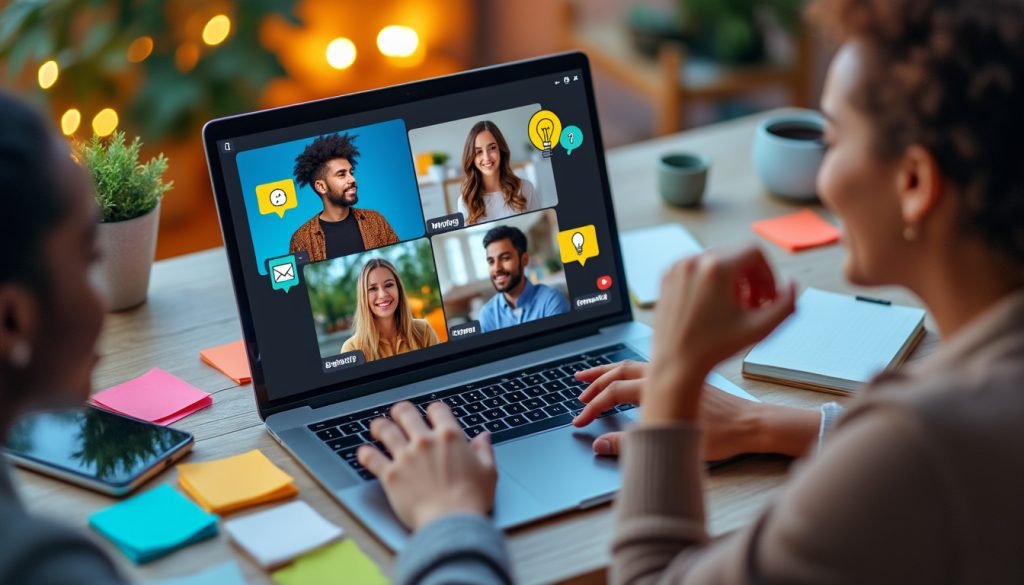
In a world where remote collaboration has become essential, mastering the art of engaging virtual meetings is paramount. With the rise of platforms such as Zoom, Microsoft Teams, and Google Meet, the dynamics of workplace communication have drastically shifted. Participants now face numerous distractions from their environments, making it vital for leaders to create engaging experiences that hold attention and foster collaboration. By understanding the nuances of virtual communication, leaders can transform mundane video calls into vibrant discussions that energize teams and drive productivity. This article explores strategies that enhance remote meeting engagement, offering practical tips and creative techniques while underscoring the importance of preparation, etiquette, and interactive elements.
Understanding the Landscape of Remote Meetings
The shift towards remote meetings originated as a response to global events, with many organizations transitioning to virtual work during the pandemic. A common challenge that emerged was maintaining engagement during video conferences. While teams are accustomed to in-person interactions, the absence of physical presence in virtual spaces can lead to disengagement and reduced participation. Moreover, the prevalence of distractions—be it family members, household chores, or notifications from various applications—can divert attention from the meeting agenda.
When evaluating the effectiveness of virtual meetings, it is crucial to recognize the unique challenges they present. Whereas traditional meetings often rely on physical presence to foster engagement, remote meetings must utilize the available technological tools to replicate a collaborative environment.
The Essential Role of Preparation
Effective remote meetings start long before the participants log onto their devices. Preparation is a cornerstone of successful virtual meetings, and leaders must consider several key elements to set the stage for engagement:
- Advance Notice: Informing participants about the meeting at least a week in advance, along with a clear agenda, establishes expectations and encourages preparation.
- Define Objectives: Clearly outlining the goals of the meeting helps participants understand their roles and the desired outcomes.
- Technical Setup: Ensuring that all technological platforms are functioning seamlessly minimizes disruptions during the meeting.
| Preparation Element | Importance | Best Practice |
|---|---|---|
| Advance Notice | Increases attendance and readiness | Send invites and agendas early |
| Define Objectives | Clarifies purpose and focus | Share goal statements with participants |
| Technical Setup | Reduces disruptions | Test equipment beforehand |
With a well-defined plan in place, participants will approach the meeting eager to contribute. This aspect of engagement hinges on clear communication and active forms of preparation, ensuring that the meeting remains purposeful and productive.
Implementing Engaging Formats and Tools
Another critical factor in keeping remote meetings engaging is employing a variety of interactive formats and tools. The introduction of features available in platforms such as Cisco Webex, Mentimeter, and Kahoot can significantly enhance participant involvement. These tools facilitate dynamic discussions and foster real-time feedback, making the environment more inclusive and collaborative.
Transforming the meeting format can encourage active participation in diverse ways:
- Breakout Rooms: Utilizing breakout rooms allows for smaller, focused discussions, enabling participants to connect more intimately and share ideas.
- Live Polls and Quizzes: Integrating tools like Mentimeter or Kahoot can gamify the meeting experience, keeping participants engaged through competition and collaboration.
- Visual Collaboration: Platforms such as Miro enable participants to visualize concepts together, offering a canvas for brainstorming and planning.
Moreover, the implementation of these tools should be framed around specific meeting goals and objectives. For instance, if a brainstorming session is the focus, employing collaborative whiteboard tools can yield richer discussions. Therefore, the effectiveness of remote meetings depends not only on the tools chosen but also on their alignment with the desired outcomes.
Now, the challenge shifts to figuring out which tools work best for particular meetings. By combining different digital resources, leaders can create a blended approach to virtual meetings that feature both structured agendas and dynamic interactions.
Fostering a Respectful and Engaging Atmosphere
Etiquette plays a significant role in ensuring participants feel comfortable and respected during virtual meetings. In contrast to in-person settings, unwritten rules of behavior in remote meetings often center around maintaining professionalism while accommodating individual circumstances. Promoting respect can enhance team dynamics and contribute to a positive environment.
Here are some critical etiquette guidelines to embrace during remote meetings:
- Be Punctual: Arriving on time sets a respectful tone for the meeting’s start. Aim to log in at least five minutes early.
- Mute When Not Speaking: Reduce background noise to create a clearer audio environment, allowing everyone to hear contributions.
- Limit Distractions: Select a quiet location with minimal background interruptions, and consider using a professional virtual background.
Creating an engaging atmosphere also includes small talk or icebreakers at the start of meetings. This practice not only stimulates conversation but also builds rapport among team members. By paving the way for informal interactions, leaders can foster a sense of community even in a virtual landscape.
Active Involvement Techniques for Participant Engagement
Encouraging active participation is a fundamental aspect of keeping remote meetings engaging. Every team member contributes a unique perspective that can enrich discussions and drive innovative solutions. Leaders should actively seek ways to elicit input and foster a sense of ownership among participants.
To achieve this, consider the following techniques:
- Assign Roles: Distributing specific responsibilities helps individuals feel accountable for meeting outcomes, which can enhance commitment.
- Encourage Dialogue: Promote open discussions by inviting each participant to share insights, fostering an inclusive atmosphere.
- Utilize Feedback Mechanisms: Implementing tools for real-time feedback encourages participants to voice their thoughts and suggestions throughout the meeting.
By using these techniques, leaders can transform passive participants into active contributors who feel invested in the meeting’s success. Structuring discussions around team dynamics will ultimately strengthen relationships and collaborative efforts.
| Engagement Technique | Expected Outcome | Implementation Tips |
|---|---|---|
| Assign Roles | Increases accountability | Rotate roles for recurring meetings |
| Encourage Dialogue | Creates an inclusive environment | Ask open-ended questions |
| Utilize Feedback Mechanisms | Promotes active participation | Incorporate polling or chat features |
The ultimate goal is to instill a sense of participation and collaboration, allowing every voice to contribute to the conversation and collective decision-making process.
Reflection and Continuous Improvement
As teams continue to navigate the remote meeting landscape, fostering an environment of continuous improvement is essential. Gathering insights from participants’ experiences can provide valuable feedback to evolve meeting strategies and identify areas for enhancement. Regular reflection helps maintain engagement levels and reinforces a culture of adaptability.
Key practices for reflection and improvement include:
- Feedback Surveys: Distributing surveys post-meeting can gather participants’ views on content, structure, and engagement levels.
- Review Objectives: Evaluating whether meeting objectives were met can help organizations refine their future meeting strategies.
- Observe Dynamics: Leaders should take note of team dynamics during meetings, recognizing patterns that encourage or inhibit engagement.
Establishing routines for collecting feedback, reviewing objectives, and observing team dynamics will enable leaders to identify effective practices while addressing challenges promptly. By fostering a culture of continuous improvement, virtual meetings can remain engaging and productive, allowing remote teams to thrive.
| Improvement Practice | Impact | Frequency |
|---|---|---|
| Feedback Surveys | Enhances understanding of participant needs | Post-meeting |
| Review Objectives | Streamlines future planning | Weekly or monthly |
| Observe Dynamics | Tweaks engagement strategies | Ongoing |
As 2025 progresses, organizations must prioritize keeping their remote meetings engaging and productive, ensuring that communication remains effective in a digitally dominated landscape. Acknowledging the importance of preparation, the strategic use of technology, fostering respect, and promoting active participation sets the stage for successful remote meetings that not only inform but also inspire.


